Comparing Water Heater Installation Options: What You Need to Know
When it comes to water heater installation, choosing the right option is crucial for ensuring efficiency and reliability. The market offers a variety of installation types, each with its own benefits and considerations. Understanding these options can help homeowners make an informed decision that best suits their needs.
Traditional Tank Water Heaters
Traditional tank water heaters are the most common type found in homes. They store and heat a large volume of water, typically ranging from 20 to 80 gallons. This stored hot water is readily available, making it a convenient option for families with high hot water demands.
One of the main advantages of tank water heaters is their lower initial cost. However, they can be less energy-efficient compared to other options because they continually heat water to maintain the temperature. This can lead to higher energy bills over time.

Installation Considerations
Installing a traditional tank water heater typically requires ample space, as these units can be quite large. Additionally, they must be placed in a location where they can be easily connected to the plumbing system and adequately ventilated.
Tankless Water Heaters
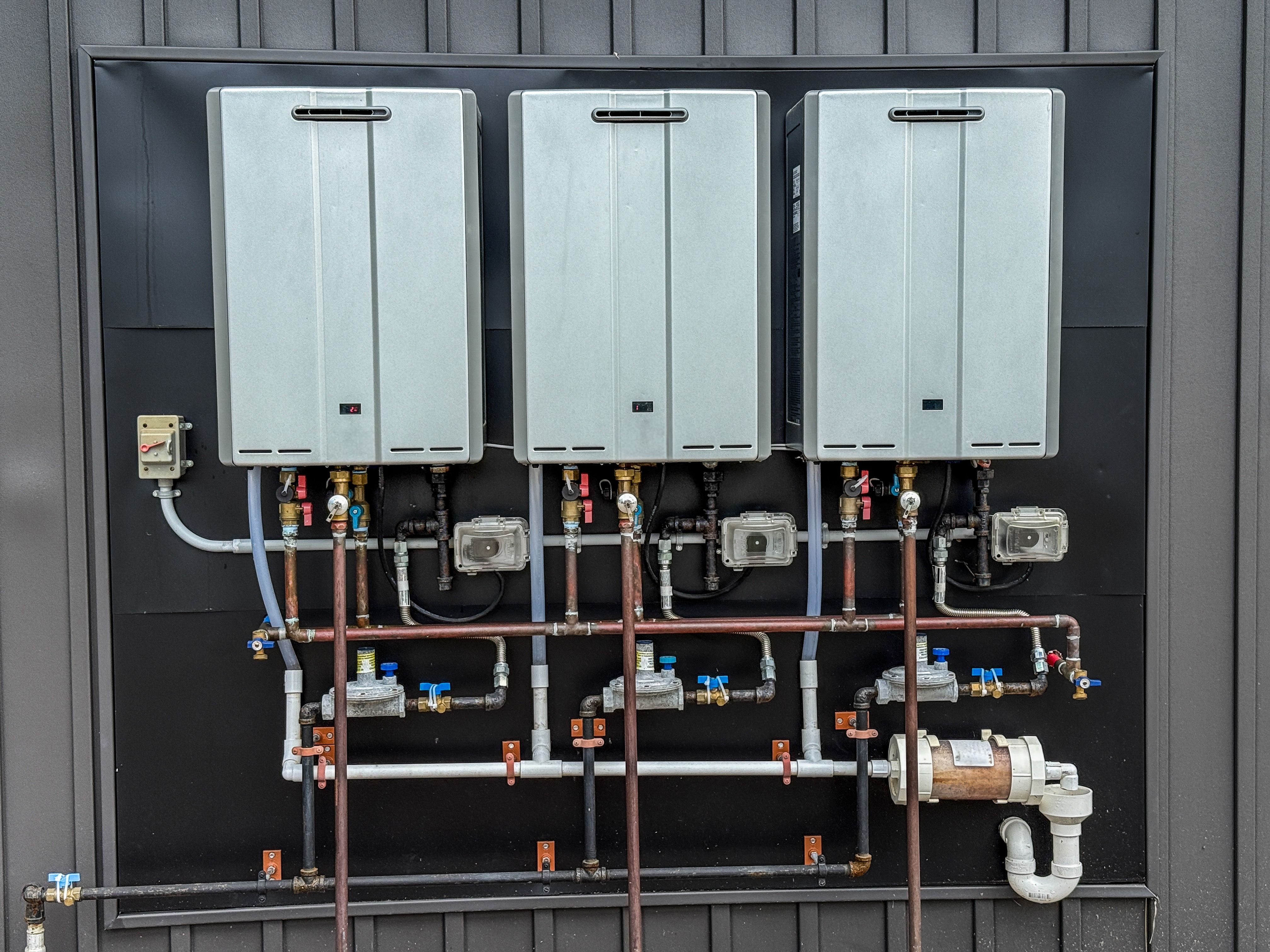
Tankless water heaters, also known as on-demand water heaters, provide hot water only when needed. This eliminates the need for a storage tank, resulting in significant space savings. These units are known for their energy efficiency, as they only heat water when it's required.
Pros and Cons
The main advantage of tankless water heaters is their ability to reduce energy consumption, leading to lower utility bills. However, the initial cost can be higher compared to traditional tank models. Installation may also require upgrades to your home's electrical or gas system, depending on the model.
Heat Pump Water Heaters
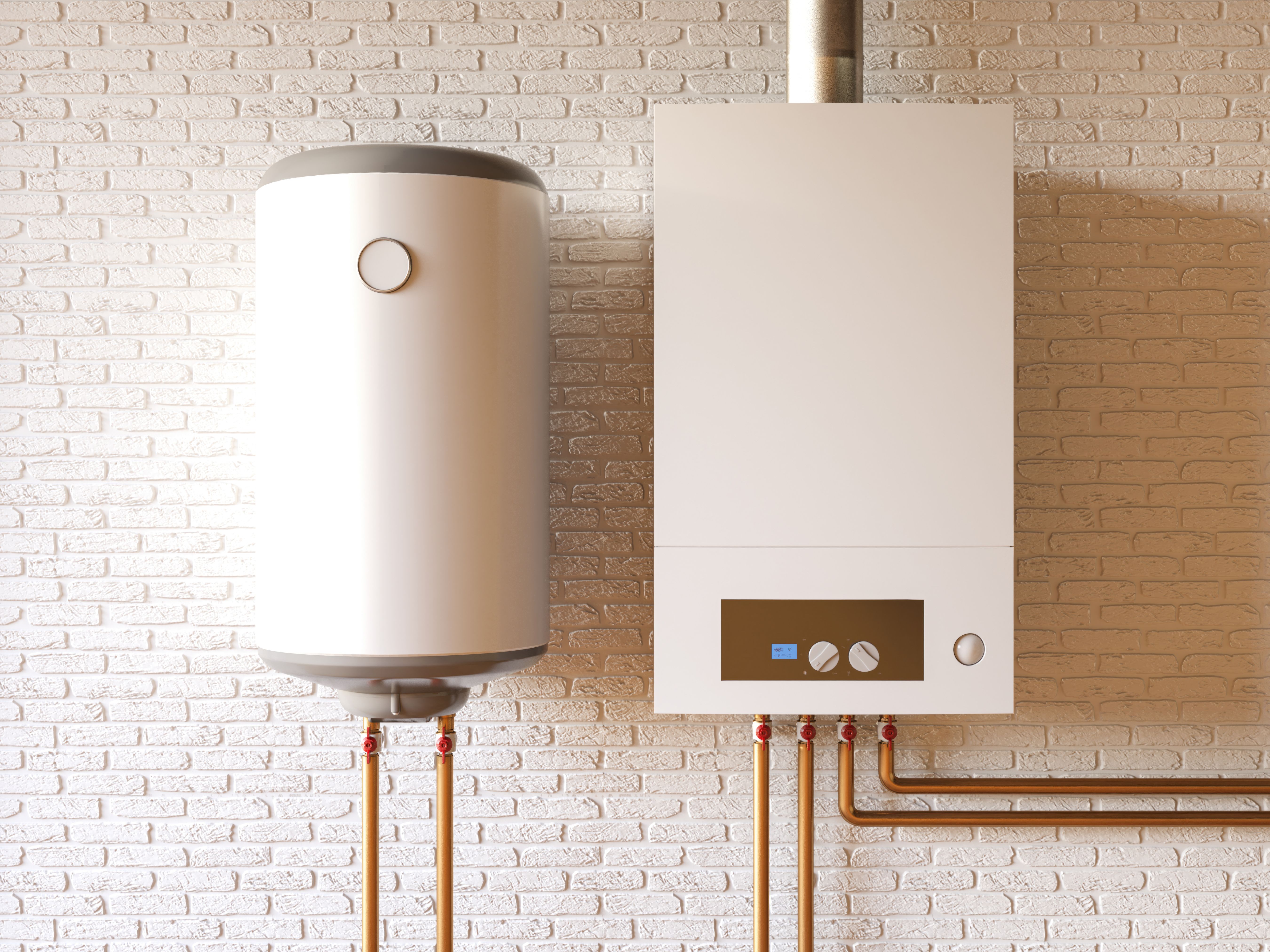
Heat pump water heaters are an energy-efficient option that uses electricity to move heat from the air or ground to heat water. This type of heater can be significantly more efficient than traditional electric water heaters.
Installation Challenges
While heat pump water heaters offer substantial energy savings, they require a specific environment to work effectively. They need to be installed in areas that remain between 40–90°F year-round and require up to 1,000 cubic feet of air space around the unit.
Solar Water Heaters
Solar water heaters use energy from the sun to heat water. These systems can be an excellent choice for reducing energy bills and minimizing environmental impact. However, they depend on solar availability, which can be a limitation in cloudy or rainy climates.
Installation and Maintenance
Installing a solar water heater involves setting up solar panels, which can be a significant investment. Maintenance is generally minimal, but it's essential to ensure the panels remain clean and unobstructed for optimal performance.
Choosing the right water heater installation option involves evaluating your specific needs, budget, and environmental considerations. Whether you opt for a traditional tank, tankless, heat pump, or solar water heater, understanding each type's features and requirements will help you make a more informed decision.